
How a Shoulder Cold Therapy Machine Speeds Up Rotator Cuff Recovery
Shoulder surgery — such as a rotator cuff repair — often brings swelling, inflammation, and discomfort that can delay healing and rehab. A cold therapy machine designed for shoulder use can make a significant difference compared with traditional ice packs or gels. By delivering consistent cooling and gentle compression over the surgical area, a shoulder cold therapy machine helps reduce inflammation, ease pain, and support tissue healing much more effectively.
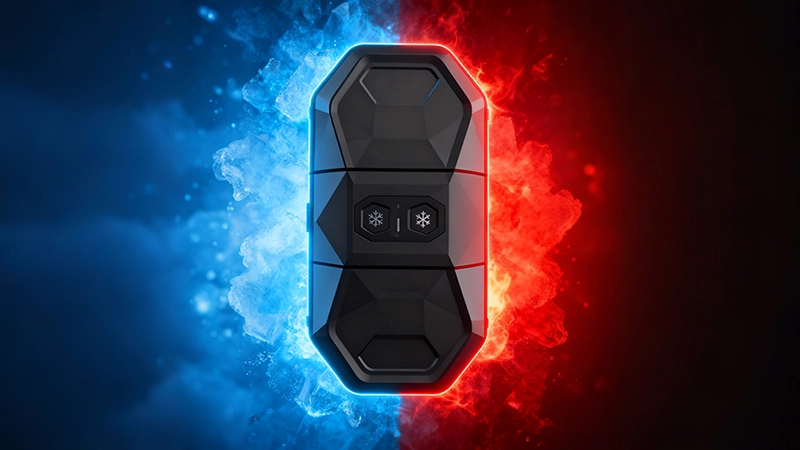
Why Cold Therapy Matters After Rotator Cuff Surgery
After surgery, the body's inflammatory response peaks, and controlling swelling and pain early is critical to promote proper tendon healing and avoid stiffness. Cold therapy causes blood vessels to constrict, which reduces fluid buildup and inflammation, while numbing nerve endings helps manage pain and discomfort. :contentReference[oaicite:0]{index=0} Using a proper cold therapy machine — especially a portable cold therapy machine — ensures controlled temperature, consistent cooling, and comfort over multiple sessions per day. Medical research comparing cold compression devices to standard cold packs after shoulder arthroscopy found that compression devices reduced swelling and pain more effectively. :contentReference[oaicite:1]{index=1}
Real Patient Stories
Case 1: Anna, 45 — Rotator Cuff Repair
Day 1–2: Post-surgery swelling and stiffness made it hard for Anna to rest comfortably. Traditional ice packs cooled her shoulder only for a short time and needed frequent replacing.
Day 3: She started using a shoulder cold therapy machine. The wrap felt secure and the cooling was steady. She said she immediately felt less throbbing pain and could finally rest better through the night.
Day 5: Swelling visibly reduced. Gentle passive shoulder movements during physical therapy felt less painful, and she avoided taking strong pain medication that week.
Week 2: With continued use of the machine, Anna noticed improved range of motion and significantly less stiffness. She described the device as “a game changer for my recovery.”
Case 2: Michael, 60 — Chronic Tendon Injury + Post-Surgery Rehab
Pre-surgery: Michael had chronic shoulder inflammation and used ice packs occasionally, but swelling returned quickly after activity.
Post-surgery Day 1: After rotator cuff repair, he used a portable cold therapy machine scheduled every 2–3 hours. He reported noticeable pain relief and much less swelling compared with prior surgeries.
Day 4: The compression and continuous cooling helped control fluid buildup. He could start gentle rehabilitation exercises sooner with less discomfort.
Week 3: Michael said his shoulder felt “lighter,” opening and closing his fingers and small shoulder motions caused minimal pain. He felt confident progressing in his rehab plan.
What to Look for in a Shoulder Cold Therapy Machine
- Adjustable temperature control — to ensure effective cooling without risking cold-injury to skin or nerves.
- Ergonomic shoulder wrap or sleeve — should contour around the shoulder joint for balanced coverage.
- Compression feature plus cold circulation — helps reduce swelling and support lymphatic drainage, known as cold machine therapy with compression. :contentReference[oaicite:2]{index=2}
- Portability — a portable cold therapy machine allows you to sit or lie comfortably at home while undergoing treatment.
- Ease of use and maintenance — quick setup, easy wrap on/off, and simple cleaning are important for daily use in early recovery when you’re most fragile.
Recommended Product
Based on comfort, functionality, and user feedback, the CL801Pro Semiconductor Cooling & Heating Therapy Device stands out. Designed for shoulder and joint use, it combines stable temperature control with optional compression and heating — offering post-op cooling relief as well as potential warmth for later rehab stages.
View the CL801Pro Cooling & Heating Therapy DeviceConclusion
For anyone undergoing rotator cuff repair or shoulder tendon surgery, integrating a well-designed shoulder cold therapy machine into your early recovery plan can make a substantial difference. The combination of consistent cooling, gentle compression, and convenience often translates into less swelling, reduced pain, improved comfort, and a smoother rehab journey. A high-quality portable cold therapy machine like the CL801Pro gives you professional-level care at home and supports faster, safer healing.
Q&A
Q: How often should I use a cold therapy machine after shoulder surgery?
In the first 48–72 hours, many surgeons recommend using it every 2–3 hours. Later, 3–5 sessions per day of 15–30 minutes each is common. :contentReference[oaicite:3]{index=3}
Q: Can cold machine therapy completely eliminate swelling?
No — but when used properly, a cold therapy machine significantly reduces inflammation, fluid build-up, and discomfort, accelerating recovery. :contentReference[oaicite:4]{index=4}
Q: Is it safe to use at home?
Yes, as long as you add a thin cloth between skin and wrap, keep session time in recommended range, and avoid prolonged exposure. If you have circulation problems or nerve issues, check with your doctor first. :contentReference[oaicite:5]{index=5}
Q: Can this machine be used on knees or other joints?
Many cold therapy machines are versatile. While this one is optimized for shoulders, you can also use similar systems — often marketed as knee cold therapy machine — for knee or other joint recovery, depending on the wrap and pad compatibility.
Recommended product link:
https://cryoboots.com/product/cl801pro-semiconductor-cooling-heating-therapy-device/