


Top Cold Therapy Equipment Manufacturers for Bulk Private Label Orders
Looking for a cold therapy equipment manufacturer for your next bulk order? For distributors, wholesalers, importers, and private label brands, the challenge is not simply finding a low factory price. You need products that fit your market, clear technical specifications, reliable quality checks, and a supplier that can follow your branding and delivery requirements.
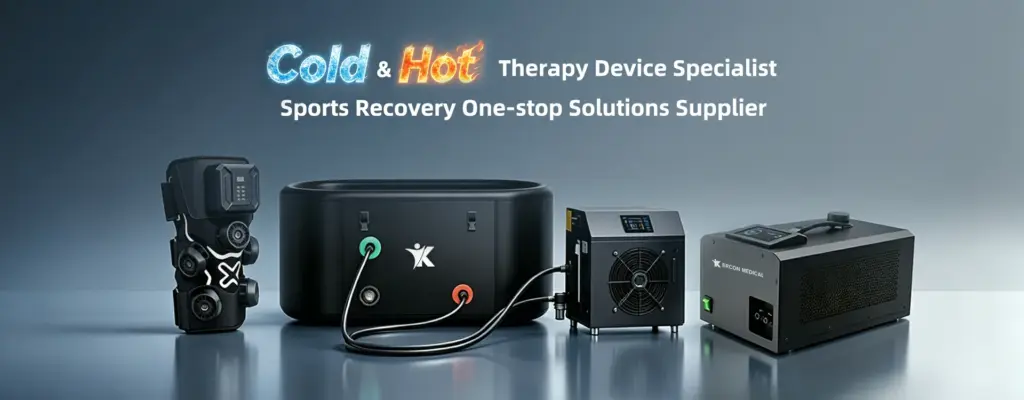
ERCON has 17 years of experience in sports recovery equipment R&D and manufacturing. The company reports supplying products to more than 100 countries and completing over 300 brand customization projects. Its range includes cold water therapy machines, cold compression systems, hot and cold contrast therapy devices, semiconductor cooling and heating machines, and ice bath solutions.
This guide explains how to compare manufacturers, choose the right cold therapy technology, and prepare a private label order for your target market.
Explore ERCON cold therapy equipment to review available product categories and identify models for your purchasing plan.
- 1. Define Your Buying Goals Before Contacting a Factory
- 2. Compare Four Types of Cold Therapy Equipment
- 3. Select Models Based on Technical Specifications
- 4. Match Equipment to Your Customer Groups
- 5. Plan Private Label Customization Before Production
- 6. Check Samples, Quality Control, and Documents
- 7. Prepare a Clear Bulk Order and Delivery Plan
- 8. Why Review ERCON as a Manufacturing Partner?
- 9. Request a Quote With the Right Information
- Q&A
1. Define Your Buying Goals Before Contacting a Factory
A useful quotation starts with a clear product brief. If you ask several manufacturers for a price without explaining the required functions, order quantity, or destination market, their offers may not be directly comparable.
Before contacting a factory, decide which of these business needs best matches your project:
- Expand an existing catalog: Add cold therapy products that complement your current sports or rehabilitation equipment.
- Launch a private label brand: Sell selected models under your own logo and packaging.
- Supply professional facilities: Select equipment based on technical requirements, operating routines, accessories, and documentation.
- Build a multi-model product range: Offer different functions and configurations for different customer budgets and applications.
Next, define the estimated quantity for each model. A distributor ordering several product types may have different quantity requirements for each one. Ask the factory to confirm the minimum order quantity, sample availability, customization costs, and production schedule by model.
This preparation helps you compare cold therapy equipment manufacturers on more than price. It also reduces the chance of ordering products that do not fit your customers or sales channels.
2. Compare Four Types of Cold Therapy Equipment
Cold therapy equipment uses different cooling methods and may include additional functions. Understanding these differences helps distributors choose products that match real purchasing needs.
Cold water circulation systems
These systems circulate cooled water through a connected therapy pad or wrap. Important specifications include water capacity, circulation rate, temperature control, timer, hose connections, and pad compatibility.
They may suit sports facilities, rehabilitation suppliers, and recovery equipment resellers looking for a dedicated water-circulation product.
Cold water compression systems
Cold water compression combines water-based cooling with pneumatic pressure. Buyers should compare the pressure range, water capacity, flow rate, timer, pad material, and available wrap sizes.
For example, ERCON's CL03B cold water compression therapy system lists a pressure range of 0–150 mmHg, an 8L capacity, a flow rate of 370 ± 50L/h, and a 5–120 minute timer. Its main unit weighs about 3.2kg and uses a skin-friendly fabric and TPU pad.
These details give distributors a practical basis for comparing portable cold compression products for clinics, sports recovery facilities, and specialist resellers.
Semiconductor cooling and heating devices
These devices use semiconductor technology for controlled cooling and heating. Buyers should check the available temperature settings, power requirements, timer, operating modes, pad design, and control method.
They may fit customers who prefer a device with integrated temperature controls rather than a traditional chilled-water circulation setup. The available functions vary by model, so compare the exact configuration before placing an order.
Hot and cold contrast compression devices
Some machines combine cold therapy, heat therapy, and pneumatic compression. This can provide several operating options in one system, but distributors should confirm each function separately.
Review the cold and heat ranges, pressure settings, water capacity, circulation rate, timer, compatible pads, and included accessories. Do not assume that every contrast therapy model offers the same functions or specifications.
3. Select Models Based on Technical Specifications
Product photos and general descriptions are not enough for a bulk purchasing decision. Use the technical data to compare models and make sure each product fits the requirements of your customers.
| Model or Product Type | Key Details to Review | What the Buyer Should Confirm |
|---|---|---|
| CL03A cold water compression system | 0–150 mmHg pressure, 8L capacity, 370 ± 50L/h flow rate, 5–120 minute timer, approximately 3.2kg main unit | Final pad configuration, included accessories, electrical requirements, warranty, and current MOQ |
| CL03B cold water compression system | ABS housing, fabric and TPU cold pad, 0–150 mmHg pressure, 8L capacity, 370 ± 50L/h flow rate | Approved specification, timer, pad compatibility, packaging, warranty, and production lead time |
| CL08 contrast compression device | Cold, heat, and compression functions | Exact temperature settings, pressure range, water capacity, operating modes, and compatible pads |
| CL806 cooling and heating device | Semiconductor cooling and heating design | Current temperature ranges, timer, power, controls, accessories, and model version |
Use the manufacturer's latest technical sheet as the final reference. Specifications, warranty terms, minimum order quantities, and lead times may change by model or configuration. Confirm these details in writing before approving your purchase order.
For distributors, this step also improves product presentation. Your sales team can explain the differences between a basic cooling system, a cold compression device, and a multifunction contrast therapy machine without making unsupported claims.
4. Match Equipment to Your Customer Groups
The same cold therapy machine may not suit every sales channel. A better approach is to choose equipment based on how each customer plans to use it.
Medical equipment distributors and rehabilitation suppliers
These buyers may need detailed product specifications, clear operating instructions, suitable accessories, warranty information, and documents required for their market.
Recommended approach: Shortlist products that match the facilities you supply. Request samples and review the temperature controls, pad design, cleaning instructions, and required compliance documents before placing a larger order.
Sports teams, gyms, and recovery centers
These customers may be interested in cold compression systems, contrast therapy machines, and other equipment for post-training recovery routines. They may also care about ease of operation, setup requirements, and how the equipment fits into their existing space.
Recommended approach: Compare operating functions, accessories, size, and maintenance needs. For customers operating several locations, ask the manufacturer how replacement parts and repeat orders can be managed.
Wholesalers and resellers
Wholesalers and resellers need products that are straightforward to compare, describe, package, and support after sale. A range with clearly different functions can help them serve several customer groups without presenting every product as the same solution.
Recommended approach: Choose a small group of core products first. Prepare accurate product pages, clear photos, specification tables, and customer instructions based on approved information from the manufacturer.
Private label recovery brands
Brands planning their own product range need to consider more than logo printing. They should also review packaging, product consistency, manuals, labels, accessories, and the ability to reproduce the approved design on future orders.
Recommended approach: Test the standard model first, then agree on the customization details. Keep the approved sample and artwork as references for production and reordering.
5. Plan Private Label Customization Before Production
Private label cold therapy equipment allows distributors and resellers to sell products under their own brand. ERCON supports OEM/ODM discussions and customization options for suitable products.
Depending on the model, available options may include:
- Logo placement: Add your approved brand logo to agreed product areas or packaging.
- Color selection: Choose from available colors or discuss a project-specific option.
- Custom packaging: Prepare packaging that matches your retail, wholesale, or professional supply channel.
- Accessory selection: Confirm the pads, wraps, hoses, connectors, and other items included in each set.
- Labels and manuals: Check the available languages and market-specific information before printing.
Before mass production, ask the manufacturer to confirm the MOQ, sample costs, artwork requirements, customization charges, and production lead time. Approve the final sample, packaging, labels, and manuals before the factory starts the main order.
This process gives both sides a clear standard to follow. It also makes future orders easier to compare against the first approved batch.
For project details, visit the ERCON OEM/ODM service page.
6. Check Samples, Quality Control, and Documents
A sample gives you a chance to review the actual product before committing to a larger quantity. It can reveal problems that are difficult to judge from product photos or a quotation alone.
During sample review, check:
- Whether the product matches the approved model and technical sheet
- Whether the controls and operating steps are clear
- Whether the pads, wraps, hoses, and connectors fit the selected system
- Whether the power supply and plug meet destination requirements
- Whether the package includes all agreed accessories
- Whether the manual, labels, and other required documents are complete
For a bulk order, also ask how the factory checks the finished products before packing. Agree on the inspection points and the process for reporting defects. If a sample needs changes, obtain an updated sample or written confirmation of the final specification before approving production.
ERCON states that two-day sampling is available for selected projects. Confirm the current timing, sample availability, and customization requirements for your model.
Buyers should also request the exact compliance documents needed for their destination market. CE, ISO-related documents, RoHS, and BSCI can relate to different products, systems, or business activities. Ask the manufacturer which documents apply to the selected product and have your compliance team review them before import or resale.
7. Prepare a Clear Bulk Order and Delivery Plan
Once you approve a sample, the next task is to turn the product choice into a clear purchasing plan. This is especially important when ordering multiple models or requesting private label changes.
Your purchase order should confirm:
- Model numbers and quantities for each product
- Approved technical specifications and accessories
- Logo, color, packaging, label, and manual requirements
- MOQ, unit price, payment terms, and warranty
- Inspection process and acceptance requirements
- Production schedule, shipping method, and destination
Ask the factory to confirm the delivery timeline for your exact order rather than relying on a general shipping statement. ERCON reports a 12,000-square-meter factory, five production lines, and dedicated R&D and quality inspection teams. It also states that seven-day shipping is available for selected orders. Actual timing depends on stock status, customization, quantity, and shipping arrangements.
For repeat orders, keep a record of the approved sample, artwork, technical sheet, packaging, and inspection requirements. Ask the manufacturer to report any proposed changes before production. This helps your purchasing team manage the order against the same agreed standard.
8. Why Review ERCON as a Manufacturing Partner?
ERCON reports 17 years of sports recovery equipment R&D and manufacturing experience, products supplied to more than 100 countries, and over 300 brand customization projects. Its stated facility includes 12,000 square meters of factory space, five production lines, a product showroom, and R&D and quality inspection teams.
For distributors, wholesalers, and resellers, these details are a starting point for supplier evaluation. The next step is to check the product range, request model-specific documents, test samples, and confirm how the factory will manage your order.
ERCON's catalog covers cold water therapy systems, cold compression equipment, hot and cold contrast therapy devices, semiconductor cooling and heating machines, and ice bath solutions. This gives buyers several categories to consider when building a recovery equipment range.
Rather than selecting products based on company claims alone, ask for information that relates directly to your project: the approved specification, current certificates, sample results, inspection plan, customization details, and delivery schedule. Factory inspection can also help qualified buyers review the production environment before moving to a larger order.
9. Request a Quote With the Right Information
A detailed request for quotation helps the manufacturer identify suitable models and provide a more useful offer. Include the following information in your inquiry:
| Information | Why It Helps |
|---|---|
| Destination country | Helps confirm shipping requirements, power standards, labels, and applicable documents |
| Required product type | Clarifies whether you need cold water circulation, cold compression, or contrast therapy |
| Estimated quantity | Allows the factory to check MOQ, pricing, and production scheduling |
| Private label requirements | Helps estimate artwork, color, packaging, and accessory costs |
| Sample and delivery dates | Helps the factory confirm whether the requested timeline is practical |
| Compliance and inspection needs | Creates a clear plan for document review and product checks |
For medium- and large-volume purchasing, compare manufacturers using the same product requirements and order conditions. This makes it easier to judge the complete offer rather than choosing only the lowest unit price.
To discuss suitable models, visit the ERCON cold therapy equipment catalog and share your target market, estimated quantity, and private label requirements with the team.
Q&A
1. What should I look for in a cold therapy equipment manufacturer?
Review the product range, technical specifications, sample quality, customization options, quality control process, current compliance documents, warranty, MOQ, and delivery schedule. Choose a supplier that can explain these details for the exact model you plan to order.
2. Can ERCON support bulk private label cold therapy equipment orders?
ERCON supports OEM/ODM and private label projects for suitable products. Logo, color, packaging, and accessory options depend on the selected model and project requirements. Confirm MOQ, costs, and production timing before approving the order.
3. What are the main specifications of the CL03B?
The CL03B product page lists a 0–150 mmHg pressure range, 8L capacity, 370 ± 50L/h flow rate, 5–120 minute timer, and approximately 3.2kg main unit weight. The listed MOQ is 10–50 sets, with a 7–15 day lead time. Confirm current details with the manufacturer before purchasing.
4. Can I request a sample before ordering in bulk?
Yes. ERCON states that two-day sampling is available for selected projects. Confirm model availability, sample charges, customization requirements, and timing before planning your order.
5. Which customers may purchase cold therapy equipment in bulk?
Potential B2B buyers include medical equipment distributors, rehabilitation suppliers, physiotherapy equipment wholesalers, sports recovery brands, gyms, sports clubs, and specialist resellers.
6. What documents should I request before importing cold therapy equipment?
Request the current technical sheet, user manual, warranty terms, and certificates or declarations required for your destination market. Confirm that the documents apply to the exact model and intended use, and have your compliance team review them before resale.